
A quiet online corner for anxious moments
When your mind feels noisy, this can be a quiet beginning
Start with one gentle strike. Zen Space puts the tool first and the explanation second, so you can calm down before you try to understand everything.


An online calming tool you can start right away
Welcome to your Zen Space
Useful before sleep, between work blocks, or whenever your emotions feel crowded.
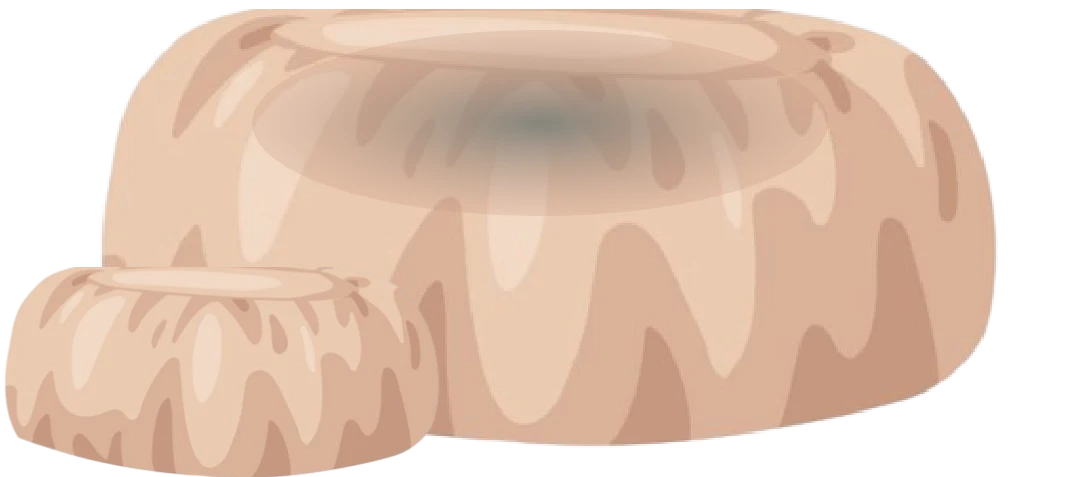
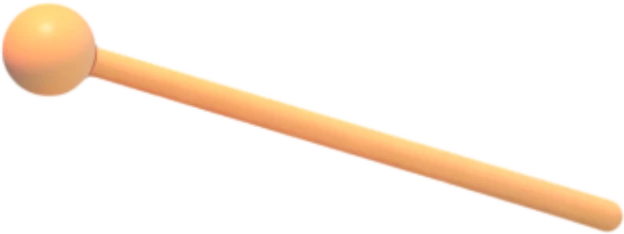

Cat Mokugyo
Use a tool first, understand yourself after
Cat Mokugyo is the first core tool. It combines sound, auto rhythm, a cat companion, custom lines, and local persistence for a calm anchor in just a few minutes.
Hide extra text and keep only the calm tool surface.
After the rhythm settles you, choose the easiest next step
Mokugyo is often the fastest way back when you feel scattered. Once your attention gathers a little, either steady the body with breath or leave yourself a small daily return point.
Start where you are, then move one step gentler
These four tools work best as a small path, not as isolated pages. Start with the tool that matches your current state, then follow the next step when your body and mind soften.
Start with Cat Mokugyo or the Breathing Pacer to give attention a simple rhythm.
Begin with Quiet Soundscape when you want the softest support before bed, then sit quietly only if you naturally want to.
Use the Practice Checklist when the next best move is one small doable action, not more pressure.
You do not need to figure everything out first
If you just need the right place to begin, pick the tool that fits this moment instead of reading the whole site first.
Follow a breathing rhythm and let the body come down a little first.
Sit down for a short while without extra noise or pressure.
Soften the room and your body first instead of forcing sleep right away.
Shrink the next step into one small thing before your attention gets pulled apart again.
Tools
These tools are already available to use, and they will continue to stay simple, quiet, and locally saved by default.
A gentle local-only daily practice card for building a small rhythm that actually sticks.
Open tool →Methods
Our methods are written in everyday language instead of abstract doctrine.
Use breath counts to lower mental speed and return to the body.
A simple night ritual for people whose minds keep running after work.
Observe what you feel before you explain or analyze it.
Articles
A gentler way to think about anxiety, self-relationship, karma, and classical ideas.
Night tools work better when the order fits your state. The real question is not which tool is best in general, but which one is easiest to enter tonight.
Feeling overloaded at your desk does not always mean you do not want to work. Often it means your input is already full and your next step needs to get smaller.
You are not refusing to work. The task has grown too large in your mind. Making it smaller is often the fastest way back into motion.